
How can Boardgames help improve children's skills?
- biggeeklittlegeek2
- Oct 5, 2022
- 5 min read
Kids only learn so much through school and workbooks, I have found one of the best ways they learn other skills such as Logic and spatial awareness is from other activities and life experiences.
My children have always enjoyed playing board games with me, and they have learnt and practiced a lot of these skills during play without even realising it. Children naturally learn best through play; they build the foundations of skills and abilities that will help them to progress and function better in society.
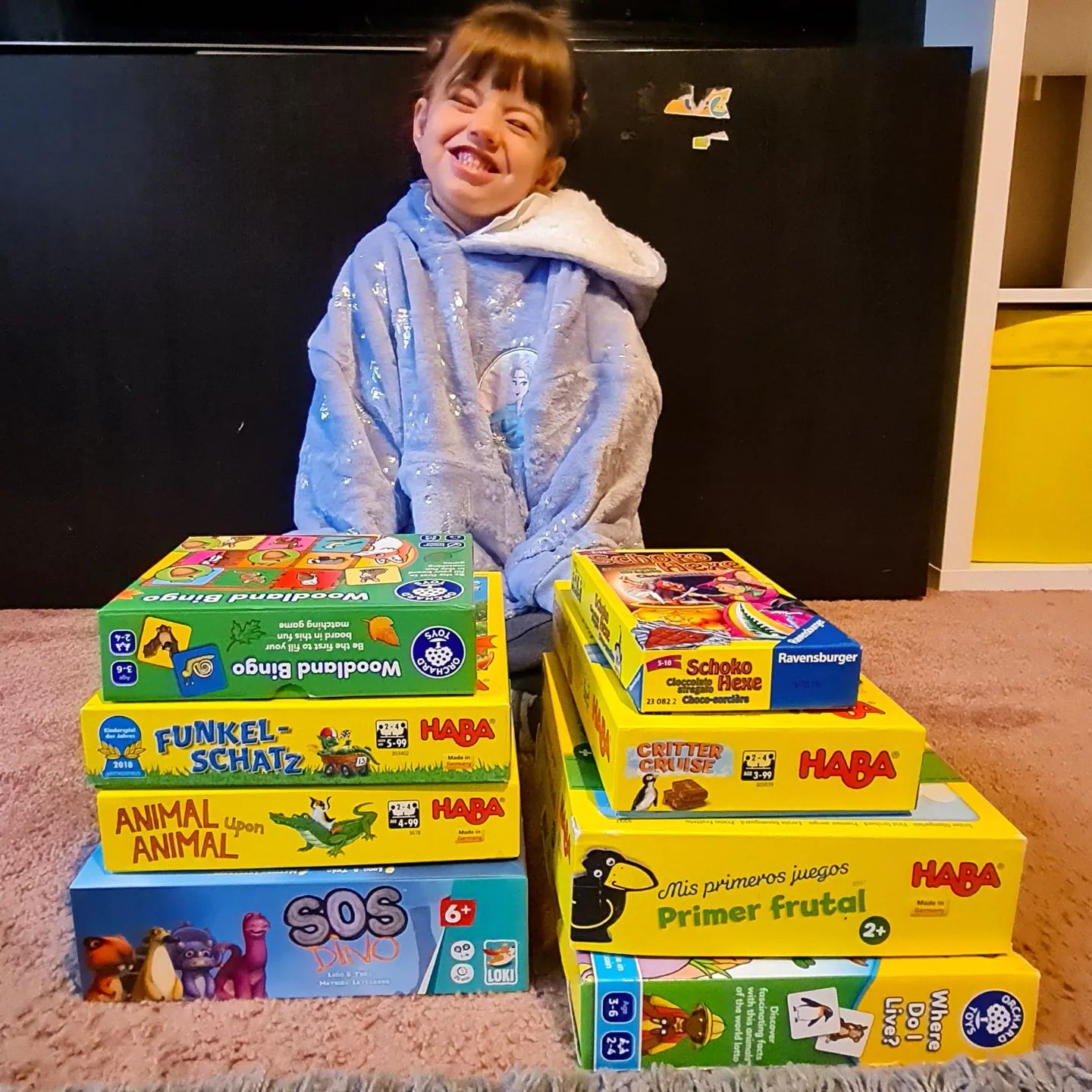
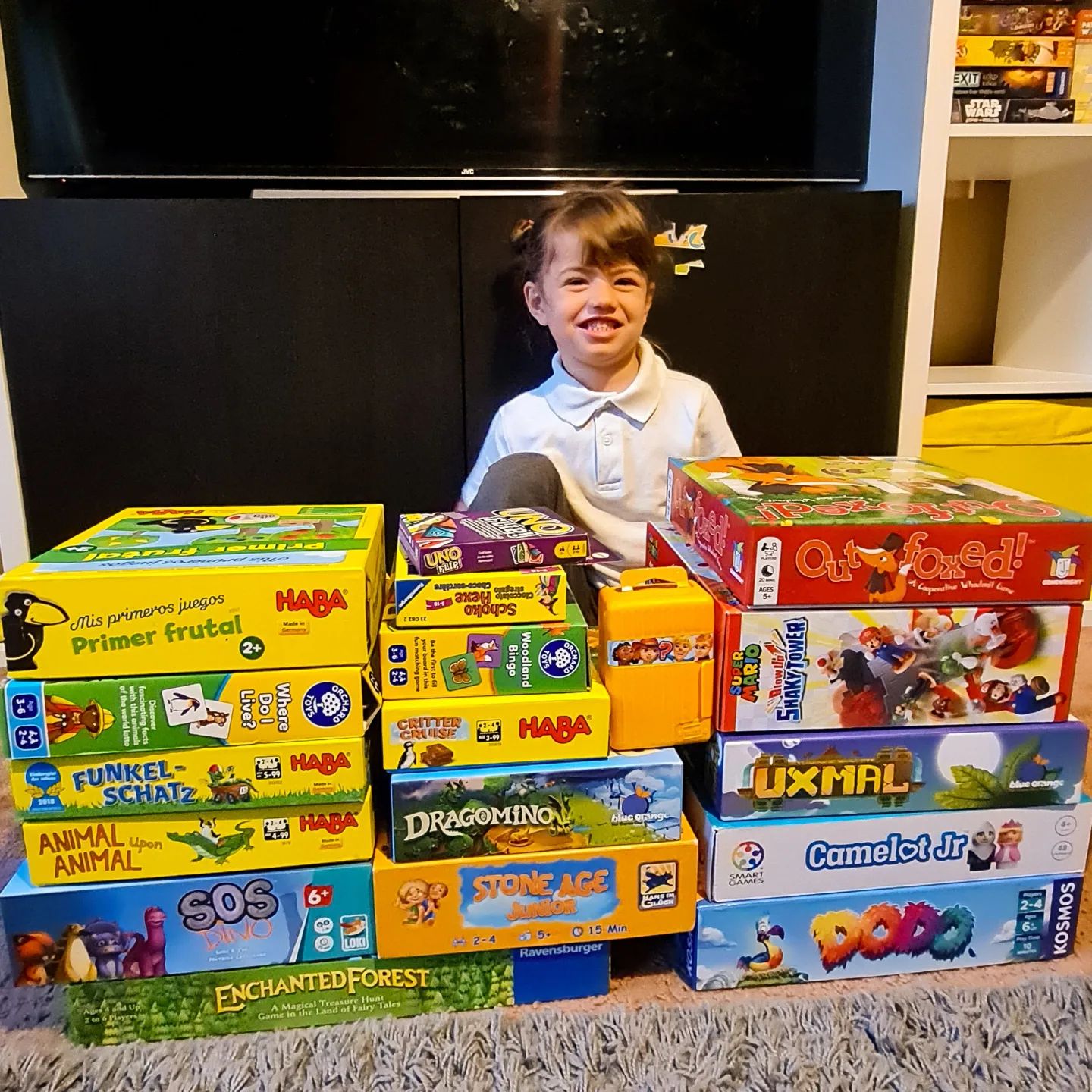
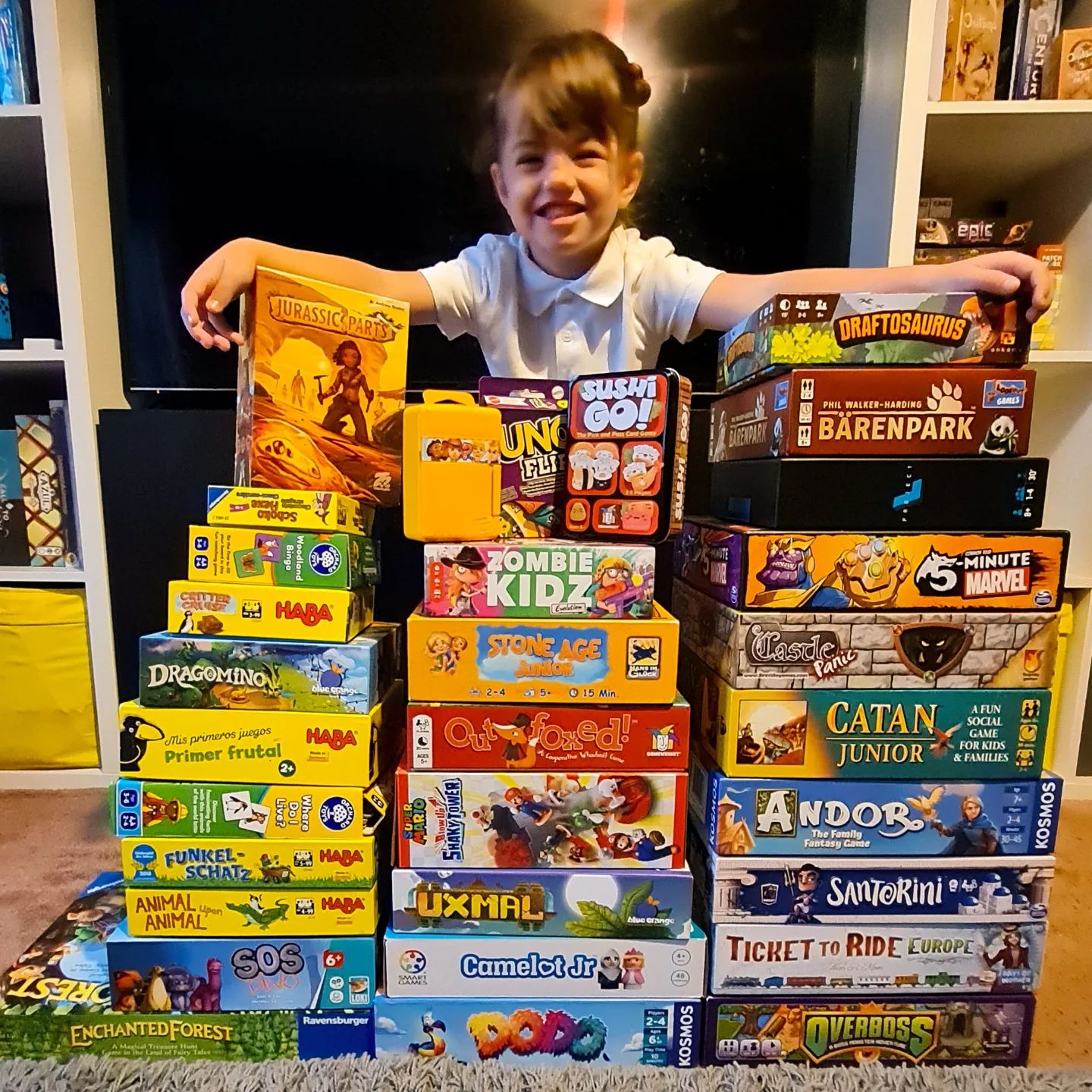
What can the Benefits be from board games?
Playing boardgames can have a vast amount of benefits for your children, and many have skills in them that you may not even consider. Over the past 6 months both my son and my daughter have progressed in their boardgame playing abilities drastically thanks to their development in certain skill. (Please note some of the games in the 3rd photo are still too old for her and she plays them with some help).
So, what benefits do they have?
Helps develop Logical thinking, improving their strategy skills and problem-solving skills.
Enhances their Cognitive skills. Memory is tested and improved with each play.
Helps improve their concentration, teaches them to be inquisitive and creative.
They help them understand the importance of rules, turn taking and working together (in the case of cooperative games).
Help practice basic recognition, matching, pattern forming and reading skills.
Games can also boost a Childs self-confidence, imagination and mental well-being.
Examples and the skills they develop from them.
There are so many games out there, it can be daunting to know where to start and what is suitable for your child's age and/or current abilities. The simple answer to that is research, all children are different at every stage of their life and what they are capable of. My son (now 7) was playing more strategic games alone when he was 5 than my daughter is, for example.
One of the first games I played with my daughter was 'My First Orchard' by Haba, when she was around 2.5. It got her into games, but it also taught her basic skill such as following rules, taking turns and therefore working on her patience, teamwork, colour recognition and logic. It is a cooperative game, where you work together to accomplish a common goal - picking and saving all the fruit before the crow enters your orchard and eats them. Each fruit is a different colour, and the roll of the dice determines the colour you have to pick.

Is this game too young for your little ones? but it has elements in it you like the sound of for teachable skills through play?
Then why don't we look at some alternatives depending on specific skills.
Teamwork - cooperative games
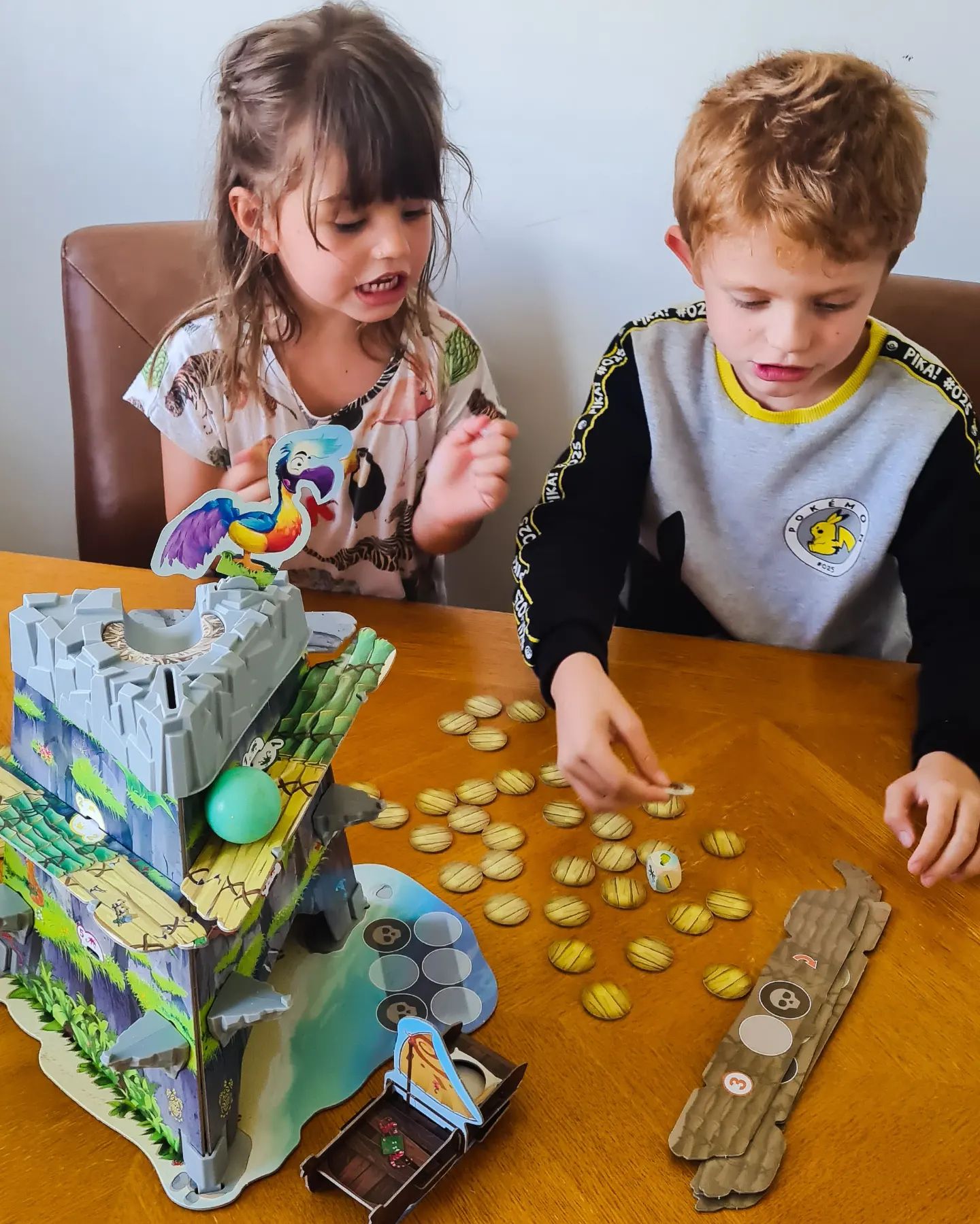
As my children have progressed and gotten older, I have added more games to their lists of what they are capable of playing. a fair few of these are cooperative games to encourage the development of teamwork, working together nicely, and to reiterate the strongest life skill everyone should attain - being nice to other people. Other alternatives we have for cooperative games include 'Dodo' by Kosmos, 'Outfoxed' by Gamewright, 'SOS Dino' by Loki, 'Castle Panic' by Fireside Games, 'Andor; The family fantasy game' by Kosmos, 'Forbidden Island' by Gamewright and 'Marvel United' by Cmon. Every one of these games varies in age recommendation, mechanics and theme, and they all include their own set of skills and teachable lessons besides teamwork. But due to their cooperative element these are all games both my 7 and 5-year-old can play and enjoy playing together despite the variety in difficulty and length of the game.
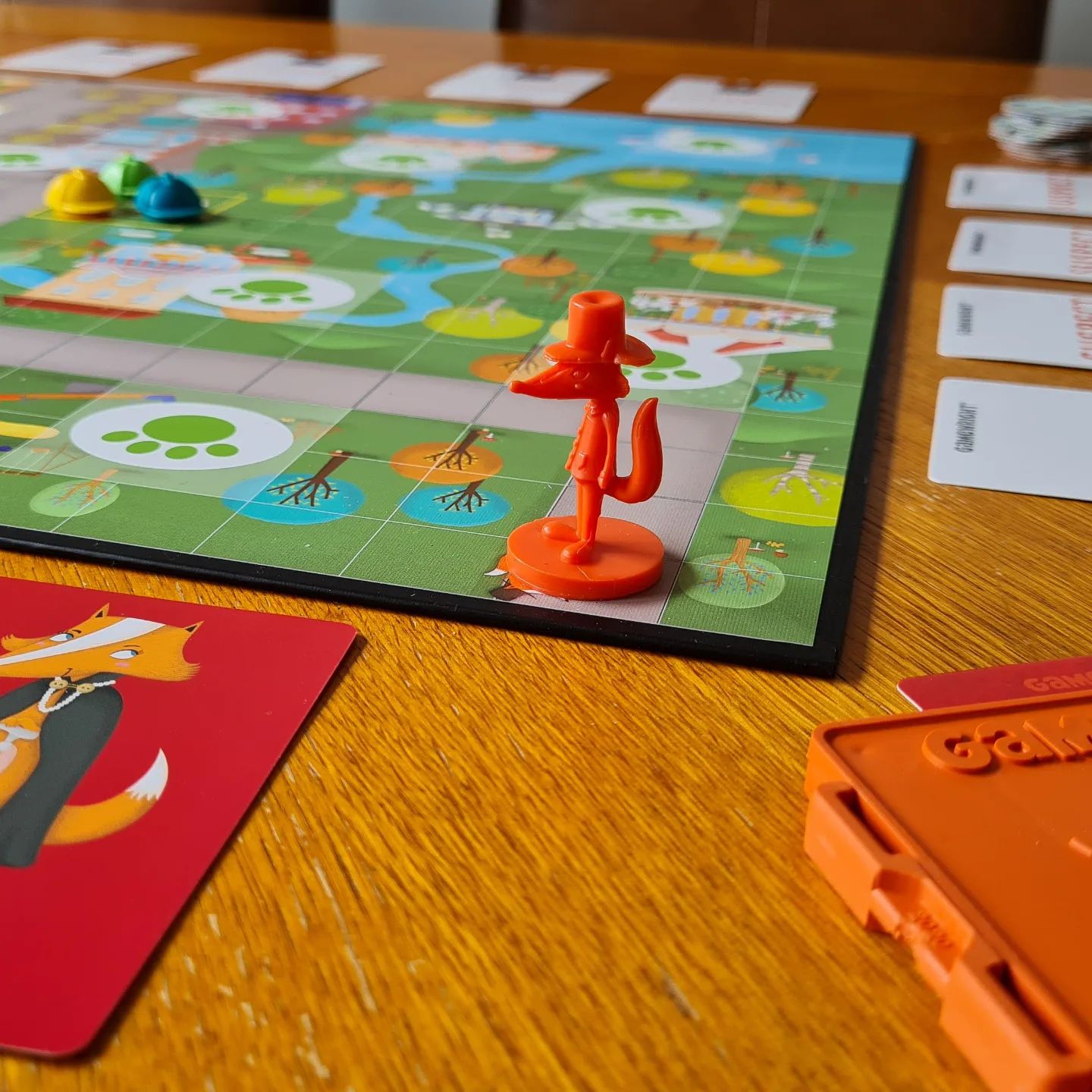


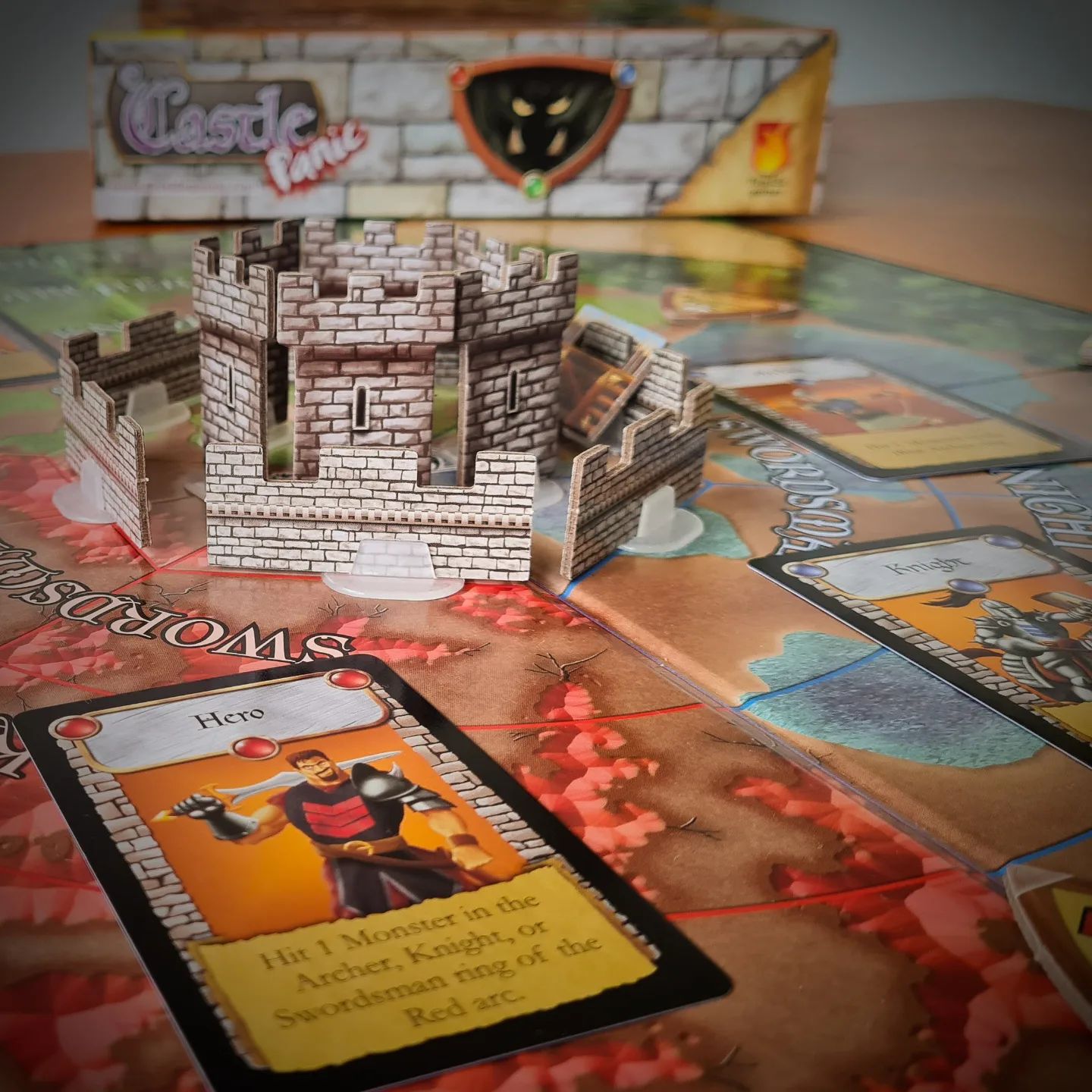
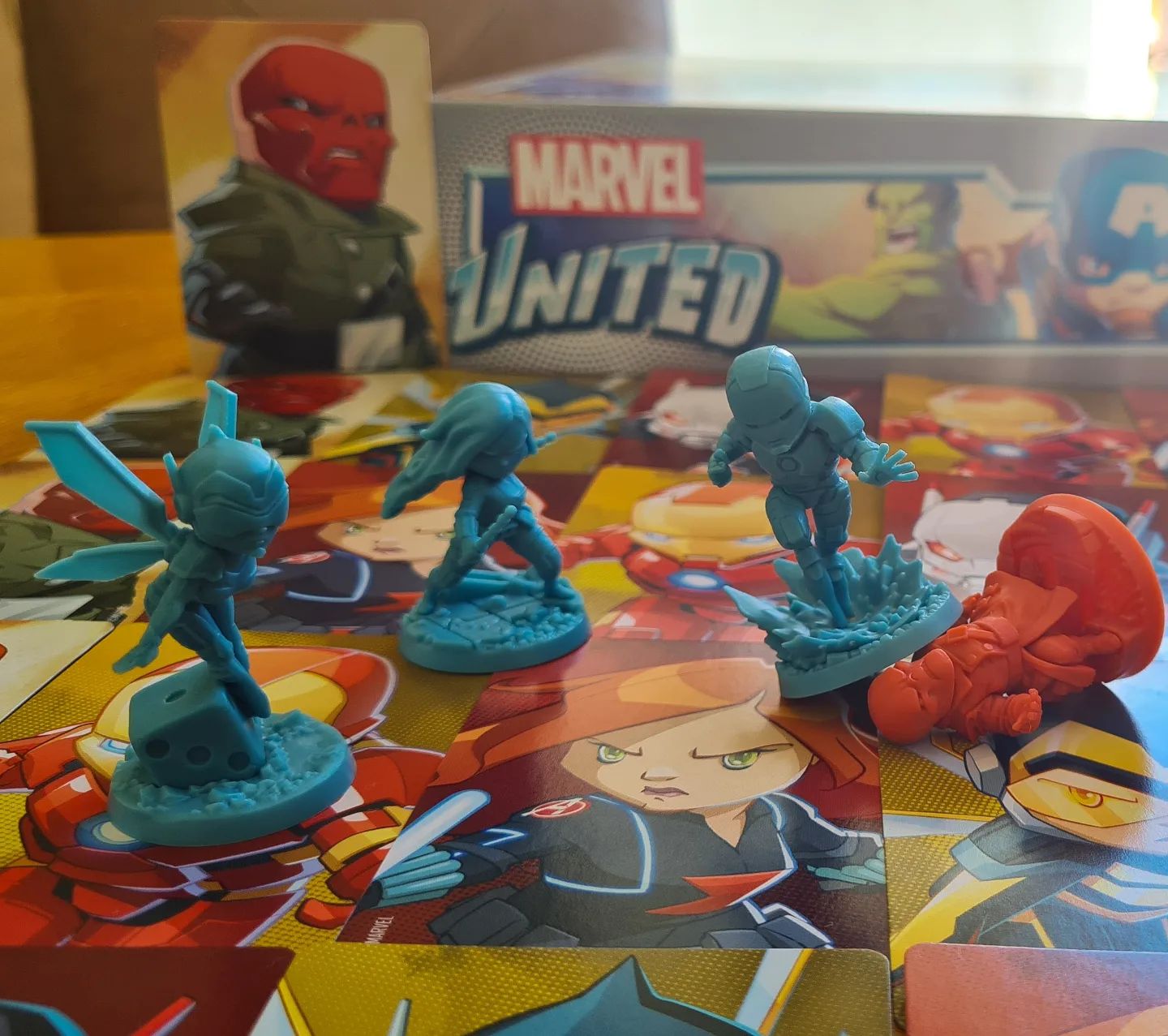
What other skills do some of these games provide?
Dodo - Enhance your memory, social skills and coordination while flipping over a token to match the dice, if its right place it on the wooden ledge before you build it on to the mountain side. If it doesn't match, turn it back over and the next player has their turn, each time trying to recall where previously turned tokens were. This game is a race against time to save the dodo's egg from falling off the mountain side so teamwork is paramount and memory recollection is tested.
Outfoxed - Use your problem-solving and social deduction skills working together to unmask which suspect if the sneaky thief in time, before they escape. Work together to turn over new suspects or reveal new clues, remembering the information you receive from the clues already revealed to deduce which fox is the one you're after.
SOS Dino - Work together to save the Dinos and their eggs from the erupting volcanoes. Colour matching and pattern forming is practiced for the younger players as they learn to plan ahead with the tiles of lava, each specifically coloured to match a single volcano, and making that coloured dinosaur unavailable to move. They have to concentrate on where they place the paths, so they don't block off any of the Dinos escape routes and enhance their problem-solving skills to figure out the best path for the Dinos to reach their eggs and the mountains in time, all while following the rules of the tiles.
Castle Panic - Work as a team to protect your castle from the hordes of monsters emerging from the forests. Plan ahead with the cards in your hand by working out which you are able to use yourself, which would be beneficial to trade to another player for future use, or if you can risk getting rid of any cards to trade for a new one from the deck. This game requires more concentration than the previous games and more problem solving as the monsters move forward and more are added at the end of each players round. It also allows for good practice of rule following as there is a set sequence in which everything has to be performed on your turn.
Forbidden Island - Communication is key in this cooperative game as you race against the rising tide, flooding your island while you try and retrieve the 4 treasures and then escape. Each player has their own unique player ability, allowing for reading practice and creativity to come into play for those older players. Even though all cooperative games require teamwork, Forbidden Island implements a card trading element to the game, in order for the set collection of each treasure to be more viable between the team. I find with this game in particular it tests my youngest's teamwork skills because she wants to be the one to claim the treasures.
We have plenty of games that are not cooperative as well, and one of the key life skills I teach my children from those games, alongside all the others I have already mentioned, is how to not be a sore loser. Life doesn't always go to plan, you don't always get everything you want, and you definitely don't get things if you don't work towards them in life. So that is exactly what they have to do in games as well. They don't get to cheat; rules are there for a reason. They don't 'get' to win, they have to earn and deserve the win by learning, playing and beating the other players. They don't get to have a tantrum if they lose, or gloat if they win, take the defeat or the win gracefully, always be kind and do not make others feel like they have done badly. Obviously be proud when you get that win, just like you would be proud of yourself in life, but also say well done to others who participated. And most importantly always have fun!
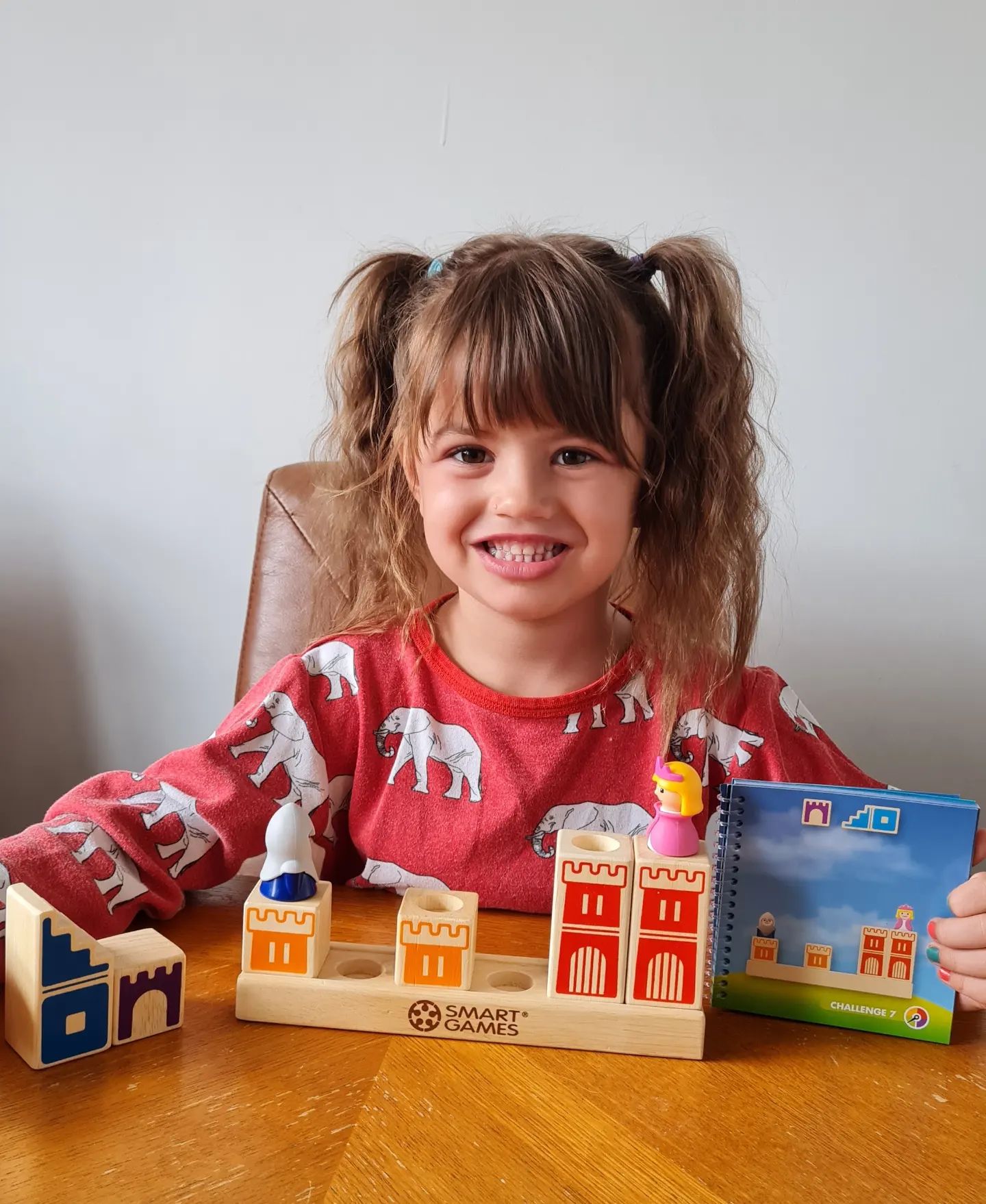
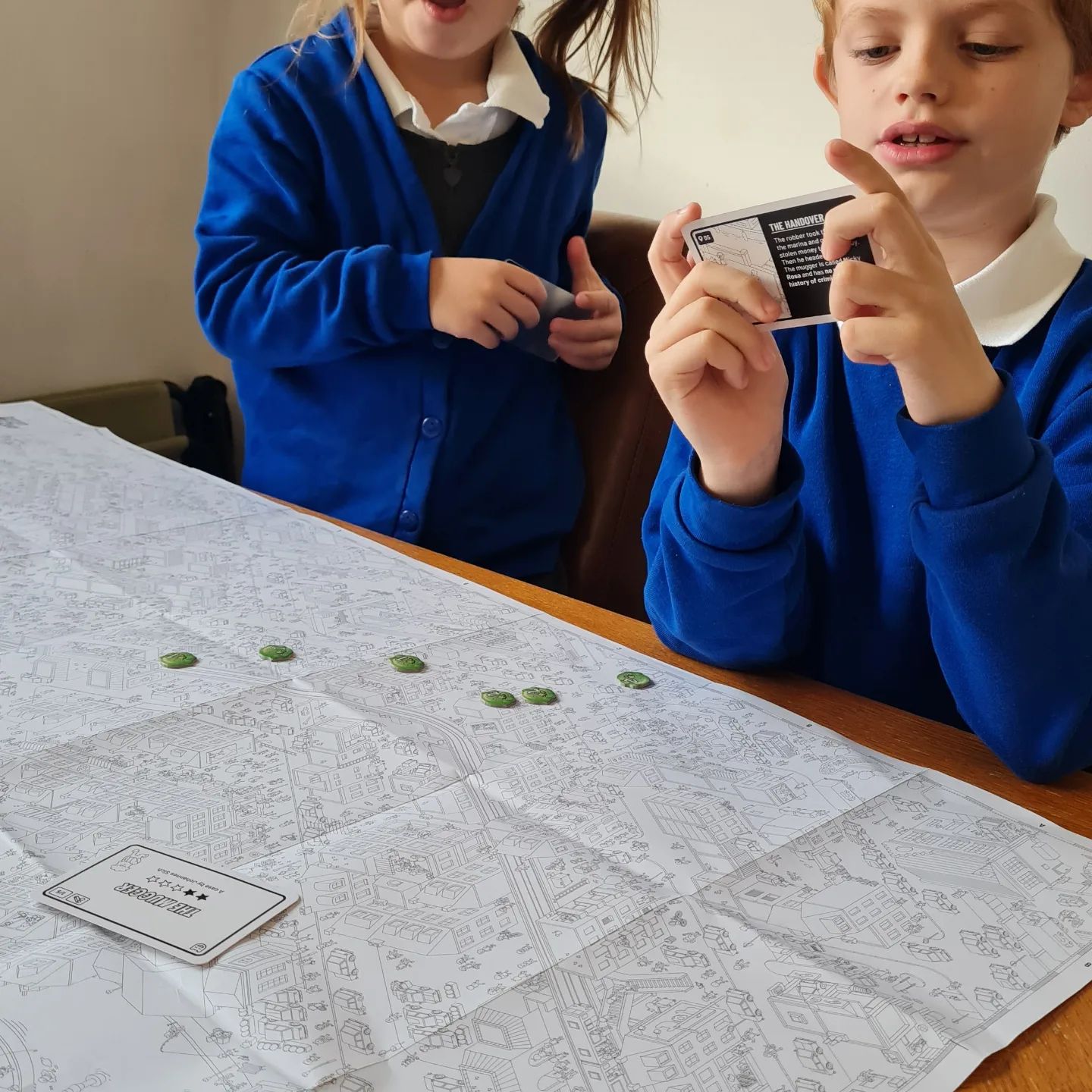



Never underestimate the amount a child can learn whilst playing with you.
"Play is the work of the Child" - Coined by Maria Montessori, Founder of the Montessori method of education.

Comments